How a real estate rewards platform simplifies resident referral tracking
Learn how a loyalty management platform automates resident referral tracking, reduces disputes, prevents fraud, and turns referrals into a scalable, cost-effective growth engine for real estate portfolios.
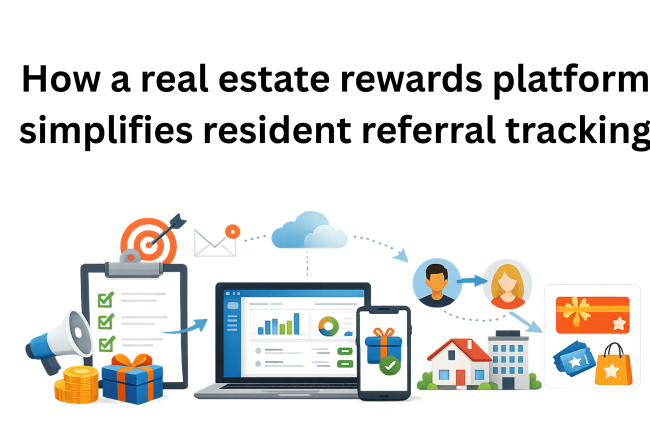
Resident referrals are one of the highest-converting acquisition channels in residential real estate. Yet most property teams still track them on spreadsheets, email threads, or loosely managed CRM notes.


That gap creates friction.
A structured Loyalty Management Platform removes manual tracking, reduces disputes, and turns referrals into a predictable growth engine. Here is the deeper breakdown of how referral campaigns are powered at scale.
In this article, we’ll focus specifically on referral tracking and why automation matters.
Why referral tracking breaks in growing portfolios
Referral programs look simple on paper.
Refer a friend. Earn a reward.
Execution is where it falls apart.
Most residential real estate operators face:
-
Missing referral attribution
-
Delayed reward approvals
-
Disputes over eligibility
-
Manual reward fulfilment errors
-
Inconsistent tracking across properties
When a portfolio scales from 5 properties to 50, complexity multiplies. Without a centralized Loyalty Management Platform, referral data becomes fragmented.
And when referral tracking lacks clarity, trust drops. Residents stop participating.
What a loyalty management platform changes
A modern Loyalty Management Platform introduces structure at every stage of the referral lifecycle.
Instead of chasing paperwork, property teams get:
1. Automated referral capture
Residents receive unique referral links or codes.
When a prospect signs a lease, the system automatically attributes the referral. No manual validation required.
2. Rule-based eligibility tracking
Not every lease qualifies. Some conditions apply:
-
Minimum lease tenure
-
Rent threshold
-
Payment completion
-
Move-in confirmation
The platform enforces these rules automatically. That eliminates guesswork.
3. Real-time status visibility
Both staff and residents can see:
-
Referral submitted
-
Lease signed
-
Eligibility pending
-
Reward approved
-
Reward delivered
Transparency reduces inbound queries. It also builds confidence.
Centralized data across properties
In residential real estate, portfolio-level reporting matters.
A Loyalty Management Platform consolidates referral data across:
-
Cities
-
Property types
-
Asset classes
-
Management teams
Leadership can quickly analyze:
-
Cost per referral lease
-
Referral conversion rate
-
Average time to reward fulfilment
-
Referral-driven occupancy contribution
This visibility helps operators refine incentives without increasing acquisition costs.
Reducing operational burden for property teams
Leasing teams already manage tours, renewals, maintenance coordination, and resident communication.
Adding manual referral tracking increases administrative strain.
Automation simplifies:
-
Referral verification
-
Reward approval workflows
-
Budget allocation tracking
-
Resident communication
Instead of cross-checking spreadsheets, teams operate from one dashboard.
Time saved directly improves leasing productivity.
Preventing referral fraud and duplicate claims
Manual systems often fail to detect:
-
Duplicate referrals
-
Self-referrals
-
Expired eligibility claims
-
Incomplete lease conditions
A structured Loyalty Management Platform applies built-in safeguards:
-
Unique resident authentication
-
Automated cross-referencing
-
Lease validation triggers
-
Fraud detection flags
This protects incentive budgets.
More importantly, it ensures fairness.
Creating predictable reward fulfillment
One of the biggest friction points in referral programs is reward delivery.
When rewards are delayed, residents disengage.
A platform-based model automates:
-
Reward trigger activation
-
Digital reward issuance
-
Tracking of redemption
-
Reporting of outstanding liabilities
Financial planning becomes easier. Reward liability is no longer guesswork.
Aligning referrals with retention strategy
Referral programs should not exist in isolation.
A well-designed Loyalty Management Platform integrates referrals into broader resident engagement strategies, including:
-
Resident perks programs
-
Renewal incentives
-
Paperless billing rewards
-
Automatic payment bonuses
When referrals connect to ongoing engagement initiatives, participation increases.
And because referral participants are typically more satisfied residents, referral growth often signals strong retention health.
Measurable impact on acquisition cost
Traditional paid acquisition channels are expensive and volatile.
Referral-driven leases tend to:
-
Close faster
-
Convert at higher rates
-
Stay longer
-
Require lower marketing spend
With a Loyalty Management Platform, operators can track:
-
Referral lease LTV
-
CAC comparison (referral vs paid ads)
-
Renewal probability of referred residents
This makes referral programs board-reporting ready.
Portfolio scalability without complexity
Scaling referral programs manually means:
-
More headcount
-
More admin time
-
More room for error
Scaling through a Loyalty Management Platform means:
-
Standardized workflows
-
Unified reporting
-
Automated reward fulfillment
-
Clear compliance tracking
The operational model remains consistent, whether you manage 500 units or 50,000.
That predictability is what enterprise operators need.
Why transparency increases participation
Residents hesitate to refer friends when:
-
Terms feel unclear
-
Rewards are delayed
-
Communication is inconsistent
A platform approach builds clarity through:
-
Visible program rules
-
Automated status updates
-
On-demand reward tracking
When residents trust the process, participation increases organically.
Data-backed optimization over time
Referral programs should evolve.
With structured data, property operators can test:
-
Reward value adjustments
-
Tiered incentives
-
Limited-time referral boosts
-
Property-specific incentives
A Loyalty Management Platform enables A/B testing at scale. Decisions become data-driven, not reactive.
That improves ROI without increasing spending.
Enterprise-ready compliance and reporting
For institutional residential real estate portfolios, audit trails matter.
A centralized platform provides:
-
Timestamped referral records
-
Automated approval logs
-
Reward issuance documentation
-
Budget allocation summaries
This simplifies financial audits and compliance reviews.
From manual tracking to predictable growth
Referral programs are not new.
What is new is the ability to manage them with precision.
A structured loyalty management platform turns referrals from an informal engagement tactic into a measurable acquisition channel. It reduces operational load, improves transparency, protects incentive budgets, and delivers enterprise-level reporting.
For residential real estate portfolios focused on retention, occupancy stability, and cost control, that shift is strategic.
If you’re ready to streamline referrals and build a structured resident rewards ecosystem, explore the Paylode platform.
What's Your Reaction?